

An article from our partner Nutrikeo
In 2026, nutrition trends confirm a fundamental shift: consumers are now seeking a more holistic approach to their health, where diet, well-being, and overall balance are interconnected. In this sense, nutrition is increasingly drawing inspiration from the world of nutraceuticals, and even cosmetics, thus blurring the lines between these three fields. Promises of longevity, support for the GLP-1 diet, and the specialization of products targeting women's health are among these 2026 nutrition trends.
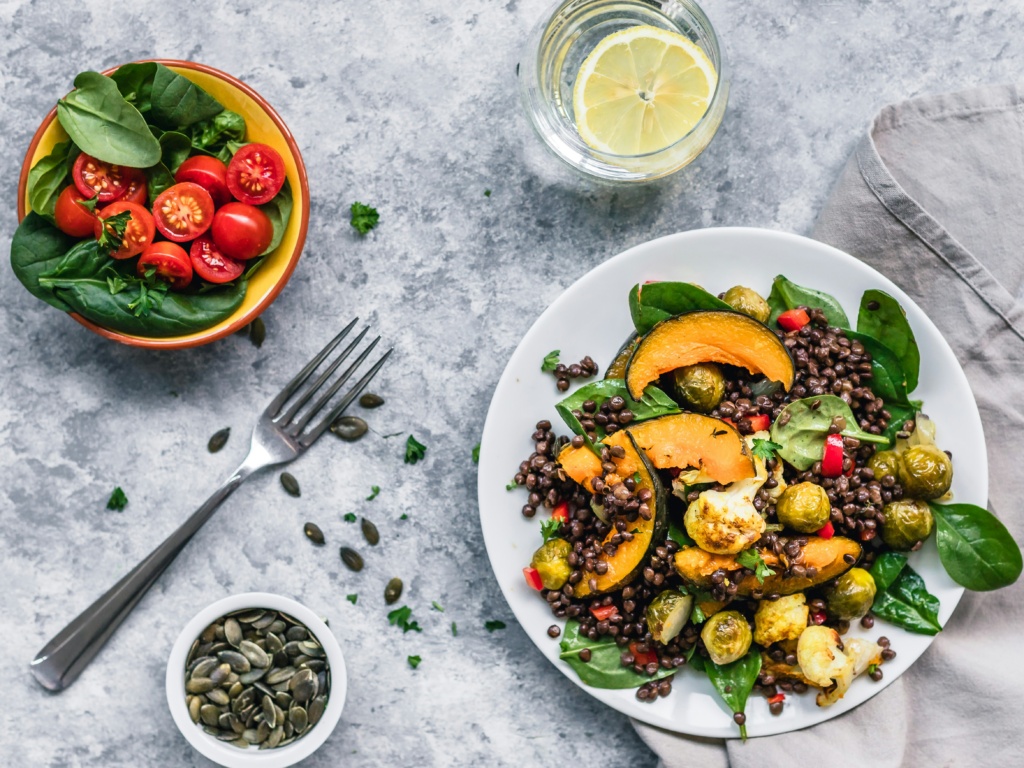
The promise of longevity: a subject that has always fascinated
In France, life expectancy has increased by 3 years for women and 5 years for men over the past 25 years, reaching 85,9 years and 80,3 years respectively.[1]The question of longevity therefore no longer lies so much in increasing life expectancy in the strict sense, but rather in increasing life expectancy in good health: this is referred to as "healthy ageing".
Products integrated into the diet at increasingly earlier ages
Concerned about maintaining their health and appearance, consumers are taking a proactive approach and incorporating functional products into their daily diet earlier and earlier.
 |
 |
|
Nestlé Vital (Brazil, 2026) |
Edonik (France, 2026) |
Earlier and earlier, but also more and more precise?
Today, new ingredients act directly at the cellular level to slow the effects of aging. This is the case with MitoQ (New Zealand, 2026) : this food supplement is composed of a derivative of the CoQ10 molecule which slows down cell aging thanks to its antioxidant action in the mitochondria.
Other molecules appear promising in the longevity market: this is the case, for example, with spermidine.[2],[3] which is already used in some products and continues to be actively studied.
GLP-1: Towards an integrated approach to nutrition and medical treatment
GLP-1, or glucagon-like peptide-1, is a naturally occurring hormone involved in the feeling of satiety and therefore in weight management. These characteristics led to the development of GLP-1 analog drugs (aGLP-1).
A two-way market: between "GLP-1 booster" and "GLP-1 companions"
In the United States, aGLP-1s are widely available.[4] and have led to the emergence of a new type of product: "GLP-1 boosters" and "GLP-1 companions"
In the first case, the products promise to stimulate GLP-1 synthesis to act in synergy with the treatment.
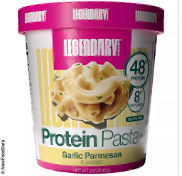
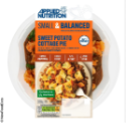
In the second case, they aim more to support users' daily lives. Indeed, taking aGLP-1 reduces the feeling of hunger, and therefore the amount consumed. A reformulation is therefore necessary to ensure consumers receive sufficient nutritional intake, particularly protein, to limit muscle loss.[6],[7]An illustration using these products from the international innovation database NewFoodData :
 |
 |
|
Protein Pasta+, Legendary Foods, 2026 (US) |
Sweet Potato – Cottage pie, Small & Balanced, Applied Nutrition, 2026 (UK) |
Compared to the United States, France remains stricter with marketing for these types of products. No health claims are permitted for GLP-1.[8]However, the recent coverage by Health Insurance[9] of 2 aGLP-1 (wegovy et Mounjaro) indicated in the drug treatment of obesity, indicates that we are in a moment of transition.
Women's health: support that becomes more specific throughout life
Long confined to topics such as menopause or beauty, women's products are now increasingly focused on health and well-being. The personalization of offerings is becoming more precise and adaptable to the different stages and concerns of women's lives.
Supporting the menstrual cycle
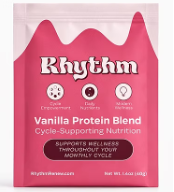
Many products focus on alleviating the various symptoms experienced during the phases of the menstrual cycle. This is the case with BloomEase™ (Nexira, France, 2026) et Rhythm (United States, 2026) which target both physical symptoms (abdominal cramps, fatigue, etc.) and the impact on mood.
|
|
 |


Maintaining the balance of the vaginal flora
Products like gummies are emerging, breaking away from the capsule format usually associated with this topic. Fun and available in a variety of flavors, they contain probiotics and are designed to support the balance of pH and vaginal flora.
|
|
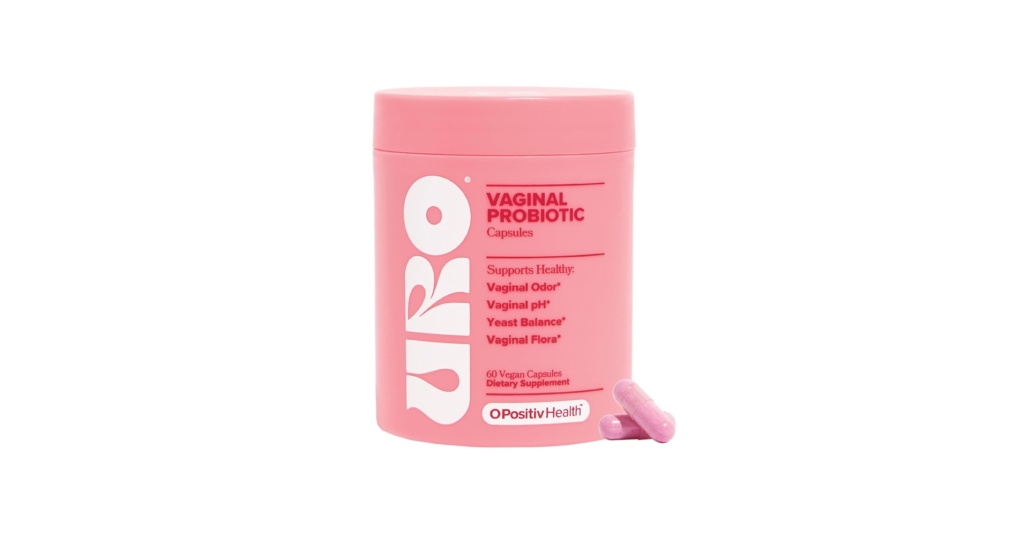
URO – Vaginal Probiotic (United States, 2026) |
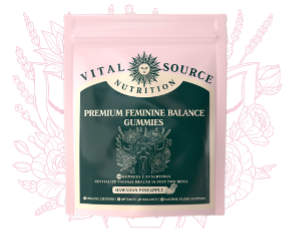 Vital Source Nutrition (USA, 2026)
Sexual life, endometriosis, fertility, sports, and the menstrual cycle are just some of the other topics that affect women… Each of these has its own specific issues, and tailored solutions are needed. At a time when the food supply is becoming increasingly specialized, women's health is no exception and is also becoming more specialized.
Although they cover different topics, the nutrition trends of 2026 share a common thread: the growing importance consumers place on the link between food and health. Innovation is thus characterized by the functionalization of food products while maintaining an element of pleasure, an essential factor in the purchasing decision. Matrices and formulations are also diversifying, increasingly blurring the lines between nutraceuticals, cosmetics, and food.
Did you find this overview of nutrition trends in 2026 interesting? Find our Nutrition Trends Notebook 2028. A strategic foresight tool informed by 3 years of monitoring, it consists of more than 400 pages of analyses, 14 trends, 4 thematic focuses and more than 500 companies screened to decipher the major changes in health nutrition.
Sources
[1] INSEE, Life expectancy at various ages, 2026. https://www.insee.fr/fr/statistiques/2416631
[2] Hofer, Sebastian J et al. “Spermidine is essential for fasting-mediated autophagy and longevity.” Nature cell biology vol. 26,9 (2024): 1571-1584. doi:10.1038/s41556-024-01468-x
[3] Hofer, Sebastian J et al. “Mechanisms of spermidine-induced autophagy and geroprotection.” Natural aging vol. 2,12 (2022): 1112-1129. doi:10.1038/s43587-022-00322-9
[4] Leger. (2026, February). OMNI Report: Use of GLP-1 in Canada and the United States.
[5] Nutrition Culture, GLP-1 analogues: a medical revolution that is driving food innovation. https://www.culture-nutrition.com/2026/07/31/glp-1-inno-alimentaire/
[6] Wilding et al. (2021). Once-weekly semaglutide in adults with overweight or obesity. New England Journal of Medicine, 2021;384(11):989
[7] Jastreboff et al. (2022). Tirzepatide once weekly for the treatment of obesity. New England Journal of Medicine, 2022;387(3):205
[8] Regulation (EC) No 1924/2006 on nutrition and health claims made on foods.
[9] Public Service: Two obesity medications reimbursed since June 15, 2026. https://www.service-public.gouv.fr/particuliers/actualites/A18932