
This year, Natexpo is launching a new series of content. Its objective: to give a voice to experts in the organic sector, professionals who have been observing market developments for many years and who have valuable insights to share.
To kick off this series, we welcome Pascale Brousse, founder of Trend Sourcing.
Pascale Brousse, you are a leading authority on trends and innovations in the natural and organic sector. Could you briefly describe your career path?
After spending 9 years at Biotherm (L'Oréal) in sales, Asia/North America zone coordinator and strategic intelligence roles, I founded the agency Trend Sourcing in 2000. For 26 years, I have been supporting brands and companies in the beauty, food and spa sectors with forward-looking vision and strategic development.

After several years of tension, the organic market is showing signs of recovery. How do you interpret this new momentum?
Indeed, the organic market returned to positive momentum in the first half of 2025, posting overall sales growth of +4,1% across all distribution channels. This figure marks a clear break with the stagnation of previous years (Source: Bio Agency – Organic Market Report 1st Half 2025).
I see several factors explaining this momentum:
- The range of products offered by specialist stores and large retailers has narrowed.Their number has decreased (several hundred stores closed in 2023-24). Among the specialist stores that remained and the new ones (this channel is the driving force behind this recovery, +5,5%), several brands have demonstrated strong momentum. refining their product offering, to more competitive pricesto better meet the needs of consumers, especially younger generations. For example, the range of plant-based dairy drinks, non-alcoholic beverages, beers and aperitifs has grown considerably, with an attractive, tasty, and distinctive offering, including at the local level.
- Furthermore, consumers are better informed about the difference between local organic produce and produce from heated greenhouses, the importance of consuming seasonal fruits and vegetables, etc. Millennials and Gen Z remain attentive to transparency and sustainability displayed on the products (Hence the importance of having strong organic labels and clear labeling).
- Organic products have become commonplace. We see all generations in the store, and there's been an increase in the number of people under 35, including couples, over the past five years. I see this as a growing awareness of environmental and health issues, the importance of taking care of our health, and of preventing cancers that are appearing earlier and earlier, as well as other diseases largely caused by ultra-processed foods, pesticides, and endocrine disruptors in conventional agriculture (pollutants are certainly everywhere, and the exposome must be considered, but what we ingest is directly linked to our health, including water). These pollutants alter our microbiota and trigger a whole cascade of health and wellness consequences (depression, obesity, diabetes, etc. See articles published in The Lancet, Le Monde, and other sources).
Let us remember that there is a strong concern for citizens' health and concerns about glyphosate, PFAs and pesticides in general, amplified by the Duplomb law, promulgated last August.
In your opinion, what does the "ideal" organic product look like for consumers today?
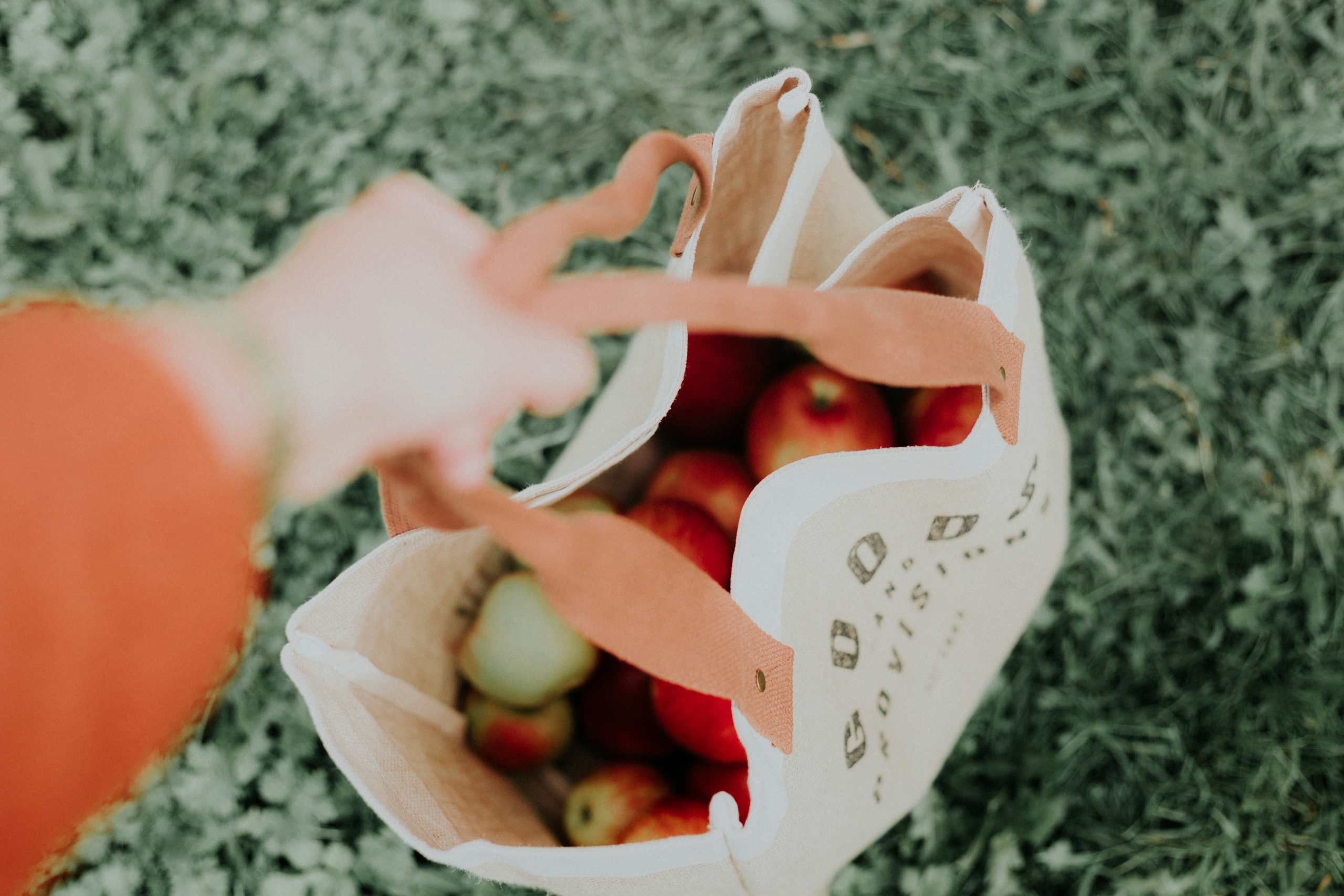
This would be a product healthy having a recipe at intense flavor, innovativeshowing evidence of its commitments (locally, biodiversity, respect for animals…), with a practical and eco-friendly packaging.
What major trends and innovations will shape the organic market in 2026?
I will only mention a few because there will be many more, and that's good news for the organic market!
- The two major trends that are accelerating and concentrating the innovations, Those are the search for protein-rich foods and the quest for longevity (also in cosmetics, for the latter), through functional and nutrient-rich products. The trend is strong among young professionals and across all generations. Once targeting athletes (for protein-rich foods), it now appeals to all consumers seeking a healthier diet and therefore plant-based alternatives to meat and fish. Recipes rich in protein and low in sugar. Thanks to new precision fermentation and cellular agriculture technologies., We will have products with new protein sources.
In the United States, Danone is preparing for the protein boom fueled by the success of GLP-1 (anti-obesity drugs). “In the United States and Europe, the group is expanding its reach with high-protein products (following the enormous success of Greek yogurt, now available with soy and in organic versions!). Its latest innovations and the acquisition of Kate Farms illustrate its commitment to combining functional nutrition with everyday diets. Their protein R&D center, inaugurated in 2017, employs 114 researchers.” (Source: LSA).
Our population is aging and wants to stay in excellent health for a long time. We will have foods claiming to improve the gut microbiota, through multifunctional snacks that combine hydration, energy and gut health, foods rich in fiber and prebiotics, thanks to agave inulin for example (also in drinks).
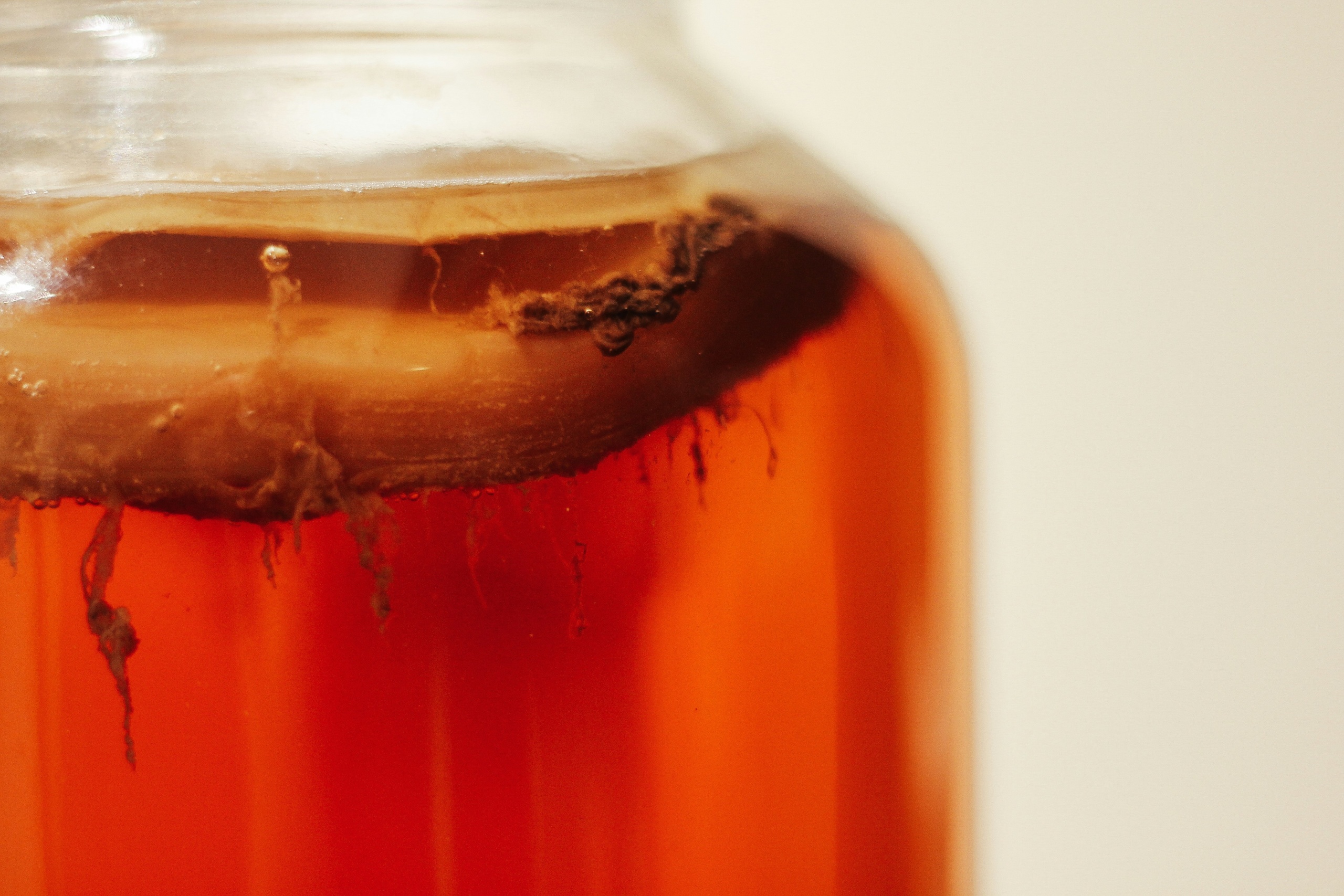
- The “Wellness Food” trend Products that are good for the body and mind are still strong: drinks with adaptogenic ingredients, especially those offering alternatives to coffee to wake up differently, products from fermentation (premium kombucha, ginger beer, beers from various cereals or twisted with coffee, surprising ingredients), always ginger/turmeric shots, reinvented artisanal vinegars: infused with fruits, spices, exotic flavors, creative dairy desserts, etc.
- Eating is first and foremost about enjoying oneself in a convivial way. : culinary pleasure and experiences remain a central driver of purchasing. In 2026, even more creative, gourmet, and daring products will be on the horizon! Through snacks, spicy condiments influenced by world cuisines (Mexico, Southeast Asia…), sweet and savory flavors, contrasting/textured products (crispy, crunchy, melting center…) and fun to share on social media! (brightly coloured “Instagrammable” packaging, premium recipes).
- Finally, organic farming in 2026 will increasingly be combined with "Regenerative" promises Carbon storage, biodiversity preservation, water management, climate resilience indicators: brands and retailers will promote more systemic narratives, where organic is not an end in itself but a lever in a broader trajectory of agricultural transformation.
In our study 'Climate CareWe consulted experts to better analyze the impacts of climate hazards, both on agriculture and on our health and well-being. Solutions exist, particularly those related to regenerative agriculture, but also to green technologies and biotechnologies. This is one of the new directions, one of the new promises of organic farming.
Finally, do you have a hidden talent or an unknown passion to share with us?
My hidden talent, which I am now bringing to light, is my role as Life Decision Coach and my energy healing/magnetizing treatments.
This can be done separately (e.g., just coaching) but I have developed a unique protocol that links coaching and energy healing.
It's a holistic, sensitive, and aligned approach that works on the body, mind, and emotions. You leave feeling recharged, peaceful, and with a clearer mind 😊
Thank you Pascale Brousse!